We redesign the processes that move it: eligibility, provider data, prior authorization, payment reconciliation, denials and recovery. And the data layer they all depend on.
For health plans, provider groups, and MSOs.
Every one of them has a real answer sitting in your systems somewhere.
If getting to any of these takes three days and four people, the system underneath it is worth redesigning. That is the work we do.
Six overhauls. Each one turns a question you cannot answer today into a number you can pull up.
We trace the slow step, and the business rule that stopped making sense four years ago.
Answers: where the money is stuck, and which denial keeps coming back.
The warehouse and the transactional system stop disagreeing, and stay that way.
Answers: why finance and quality report different numbers.
The Access database, and the workbook of linked formulas only one person understands, become a system the whole team can use and audit.
Answers: what breaks the day that person leaves.
Full EDI and FHIR, plus the automated jobs that move data between them on time, every time.
Answers: when you would find out a payer changed something.
A policy change stops needing a release, because your team configures it directly.
Answers: why a one line policy change needs a release.
Prior auth and denial workflows redesigned around how the work actually happens on a Tuesday.
Answers: how many screens it takes to work one prior auth or denial.
Whichever core platform you run, we work alongside it. What we own is the 837 going out, the ERA coming back, and the money that should have arrived in between.
We build AI where it genuinely adds value, and never because it is expected of us. Most of what slows a health plan or a provider group down needs reengineering rather than a model, and we will tell you which one you are looking at.
High volume, repetitive work on rules that hold still. We build it, the work then runs itself, and anything genuinely ambiguous goes to a person with the reason it was flagged attached.
Anything touching a patient record or a care decision keeps human sign-off before it is acted on. Most of the rest was an engineering problem all along.
The smallest change that works.
Sometimes that is one job rewritten. Sometimes it is replacing a system outright. We tell you which before you spend anything, and we say so even when the smaller answer is worth less to us.
Same capabilities either way. The difference is whether we do the work inside your team, or you run the software yourself.
We embed with your team, overhaul what you already run, and hand it back documented. Your people own it when we leave.
The same capability areas as working software: provider data, EDI, prior authorization, FHIR, denials, and quality reporting.
Ask for a demo on the call ›Every one of these is work we have done end to end.
Patterns we keep finding from the inside. Not case studies, and not a specific client.
Too much of what the operation knows lives in one person's head, a legacy system nobody will touch, a spreadsheet only its author understands, or a process that was never written down.
Volume tripled. The systems moving it never changed, so people have been absorbing the difference ever since, quietly, for years.
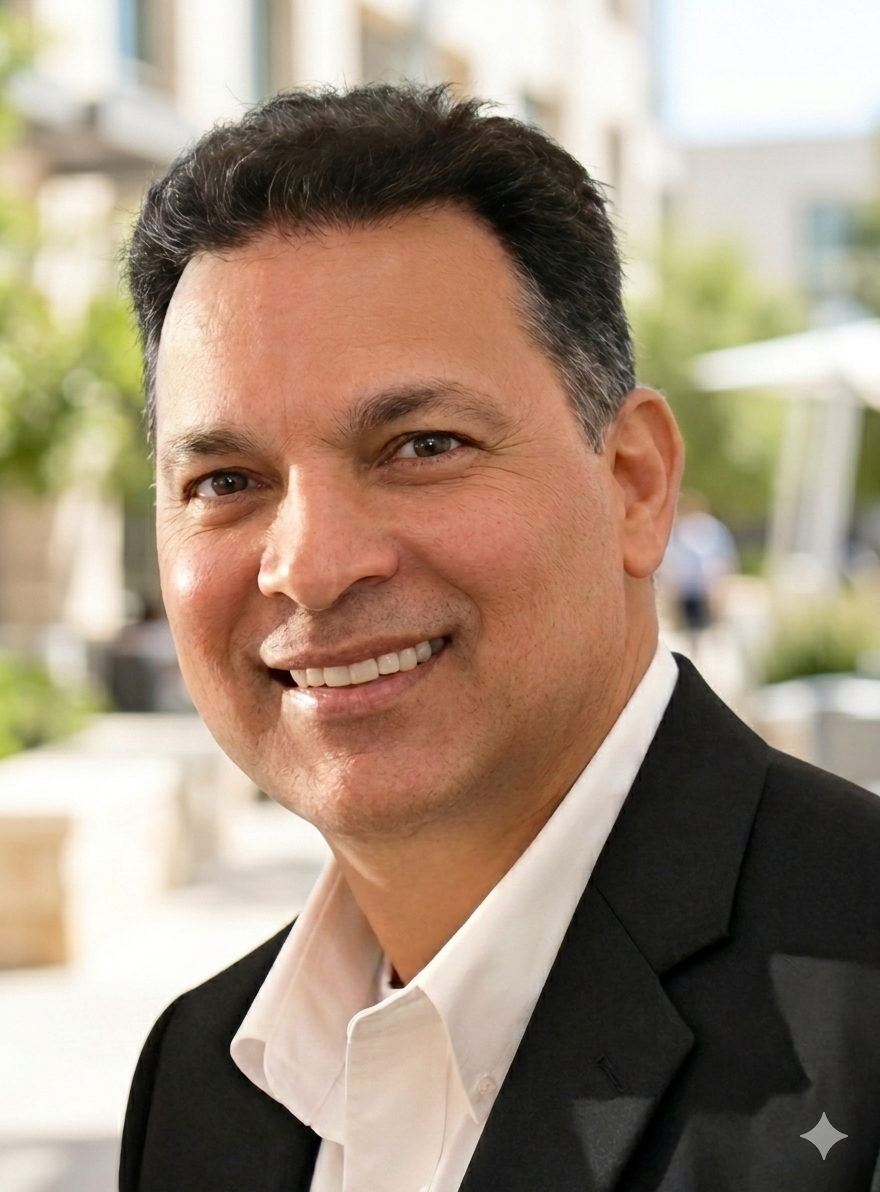
A career spent inside these systems, on the payer side and the provider side. I am personally in the work, with a small senior team behind me and specialists brought in when a problem needs one.
Connect on LinkedIn › Read the full story ›Read something before you book anything.
Thirty minutes. If we are not the right people for it, we will say so and point you somewhere better.
A founder reads every message and replies within one business day.